Loading Table of Contents...
What is website redesign? What to know before rebuilding
Website redesign improves UX, SEO, speed, and conversions. Learn when to redesign, the process, costs, and how to preserve SEO when rebuilding your site.
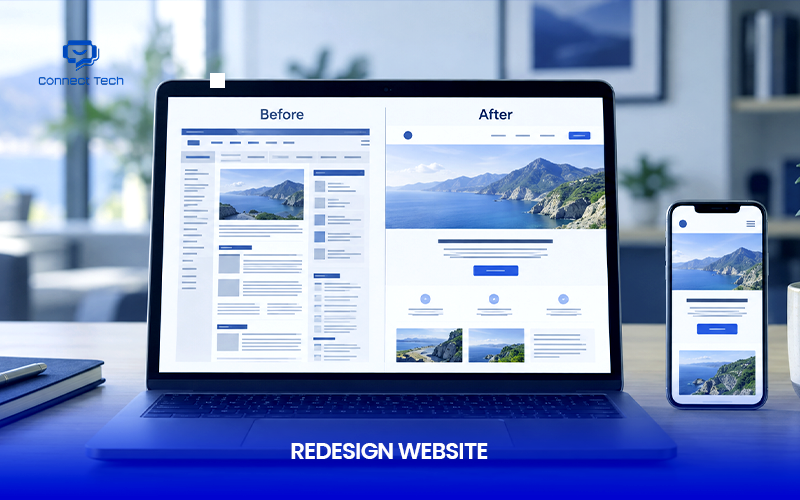
Website redesign is the process of restructuring and comprehensively improving a website to enhance user experience, technical performance, SEO capabilities, and business results. Website redesign can affect UX, UI, content, source code, speed, and functionality as well as the interface.
Connect Tech explains website redesign, five signs that a redesign is needed, the implementation process, how to preserve SEO, and the factors that affect results after launch.
What is website redesign?
Website redesign improves a website's interface, experience, information structure, and technology rather than simply changing colors or images.
A redesign project may include:
- UI: Redesigning the interface, typography, colors, images, and interactive elements.
- UX: Optimizing user flows, navigation, and touchpoints throughout the customer journey.
- IA: Reorganizing the sitemap, categories, menus, and relationships between content.
- Technical: Improving source code, the CMS, speed, security, scalability, and API integrations.
- Content: Adapting content to search intent, the customer journey, and conversion goals.
Google Search also requires useful content, a crawlable structure, and a suitable experience across devices. Modern redesign therefore needs to bring design, technology, and SEO together rather than treat the interface as the only priority.
A website refresh mainly improves appearance and selected aspects of the experience, while a full redesign makes deeper changes to the structure, functionality, and underlying platform.
5 signs your business needs a website redesign
Businesses should consider website redesign when data shows that the site creates bottlenecks in user experience, performance, or conversions.
High bounce rates and declining conversion rates
A high bounce rate may indicate that visitors cannot find relevant information or encounter obstacles when interacting with the site. A low conversion rate suggests that the website is not effectively turning traffic into business actions.
Combine Google Analytics 4, Search Console, heatmaps, and conversion data to identify the cause before deciding on a website redesign.

Poor adaptability on mobile devices
Mobile-first design helps a website adapt to small screens, touch interactions, and smartphone search needs. An interface that is not responsive can make menus difficult to use, cause content to overflow, make CTAs hard to tap, or prevent users from completing forms. Businesses therefore need to assess the actual experience on phones instead of checking only the desktop version.
Slow page loading and poor Core Web Vitals
Website speed directly affects user experience, while Core Web Vitals provide important metrics for assessing page performance.
Google uses LCP to assess the loading of the main content, INP to assess responsiveness to interactions, and CLS to assess visual stability. Website redesign should therefore evaluate all three metrics rather than rely on a single Lighthouse score.

Difficulty expanding features and managing content
An outdated technology platform can increase development time, maintenance costs, and the difficulty of integrating a CRM, e-commerce, analytics, or marketing automation. Consider changing the platform when the existing CMS or source code limits scalability and no longer fits the business's growth strategy.
Business rebranding
Rebranding requires the website to communicate the business's new positioning, values, and target audience. A premium brand with an outdated interface can create a gap between its identity and the actual customer experience. Website redesign can align brand identity, content, visual design, and the customer journey across digital touchpoints.
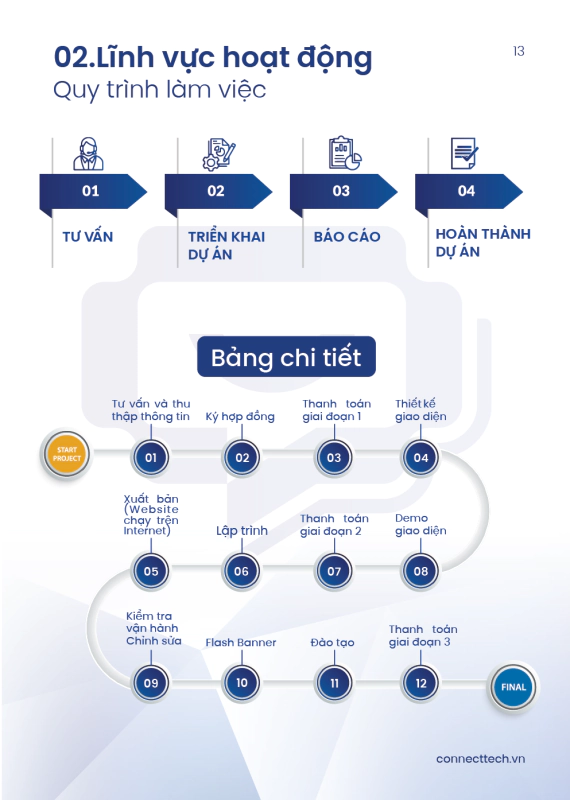
A 6-step website redesign process for UX/UI and SEO
An effective redesign begins with data and ends with measurement, rather than starting immediately with the choice of a new interface.
Step 1: Conduct a comprehensive audit of the existing website
A website audit helps a business identify actual problems before deciding what to change. The team should analyze Google Analytics 4, Google Search Console, heatmaps, organic traffic, keyword rankings, conversion paths, technical SEO, and user behavior. This data helps distinguish interface issues from problems with content, structure, or marketing strategy.

Step 2: Define goals and measurable KPIs
KPIs make redesign a project that can be evaluated through data. Businesses can set goals for conversion rates, qualified leads, organic traffic, page speed, Core Web Vitals, task completion time, or engagement rates. Each KPI should be based on the existing website's baseline rather than a fixed target applied to every project.
Step 3: Plan information architecture and wireframes in Figma
Information architecture organizes content into a structure that helps users find information quickly and helps search engines understand relationships between pages.
Figma helps teams create wireframes, prototypes, and user flows before developing the actual interface. Compare the new sitemap with existing URLs to avoid accidentally removing pages that generate organic traffic or receive valuable backlinks.
Step 4: Design UX/UI and build a consistent design system
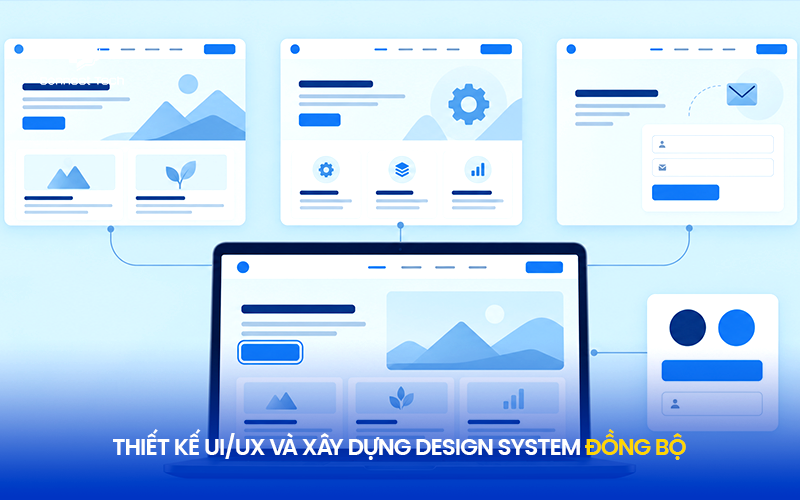
A design system helps maintain consistency across buttons, forms, typography, colors, cards, navigation, and other interface elements.
The UX/UI team should optimize each page's layout for its goals rather than focus solely on visual appeal. Accessibility should also be considered using WCAG 2.2 principles to make the website easier for more people to use.
Step 5: Develop the website and implement an SEO preservation strategy
SEO migration protects the existing website's search value during the transition to a new system. This process needs to manage URLs, content migration, metadata, internal links, canonical tags, robots.txt, the XML sitemap, and 301 redirects for changed URLs. Create a URL map before launch to identify which new page corresponds to each old page.
Connect Tech can choose WordPress, Laravel, Next.js, Nuxt.js, or another suitable solution based on actual performance, management, SEO, and scalability requirements rather than use one technology for every project.
Step 6: Test across platforms
QA/QC helps detect issues before the new website reaches real customers. The team should check responsive behavior, browser compatibility, forms, CTAs, internal links, 404 errors, redirects, metadata, structured data, the sitemap, robots.txt, tracking, and Core Web Vitals. After launch, monitor Google Search Console, analytics, and business metrics to detect problems early.
Why choose Connect Tech as your website redesign partner?
Connect Tech brings UX/UI, technology development, technical SEO, and digital marketing together in one delivery ecosystem. Businesses can assess their existing website, identify business problems, plan information architecture, design the interface, develop the platform, and carry out SEO migration within one process. This approach helps close the gap between design, development, and marketing teams.
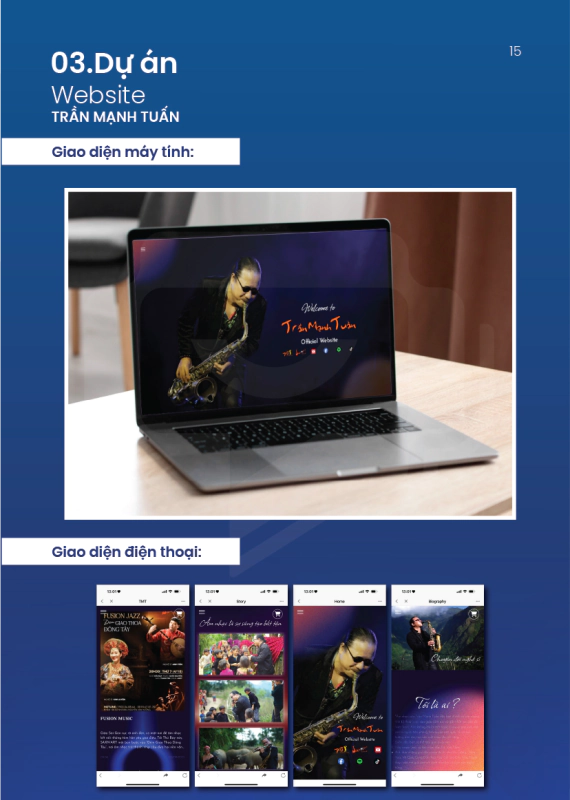
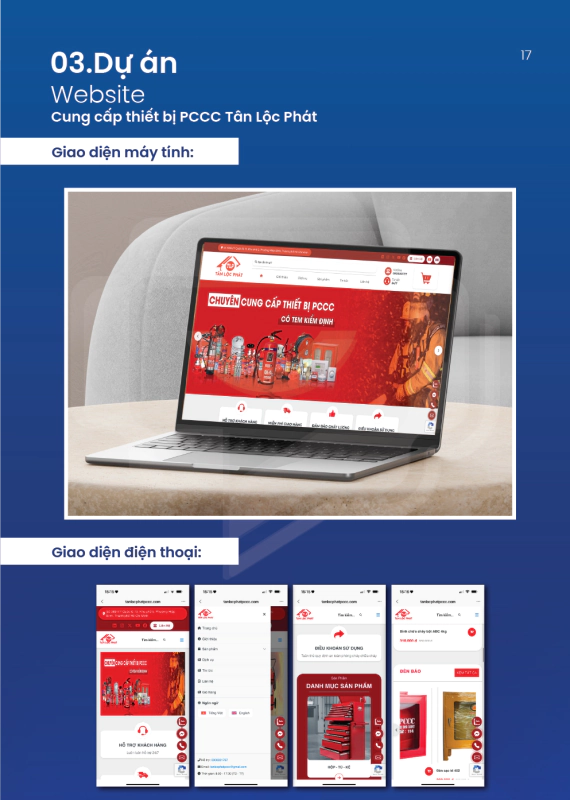
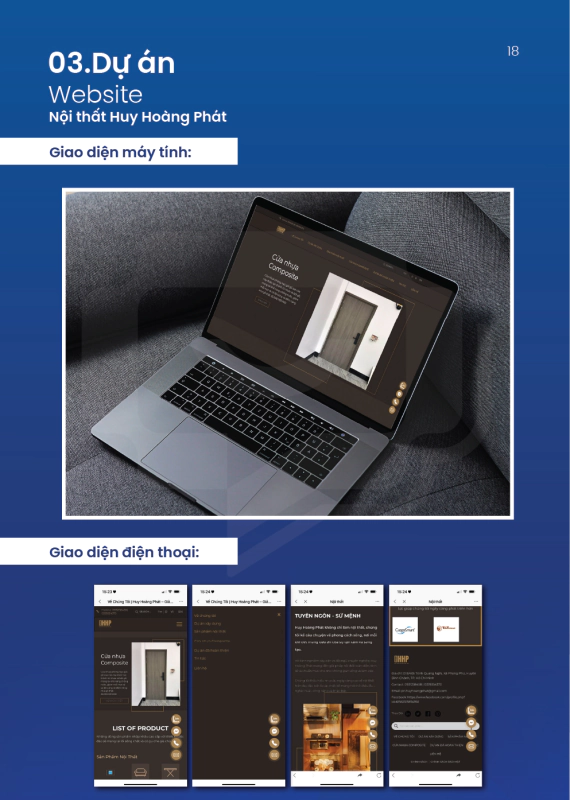
Connect Tech has delivered projects using Laravel, Next.js, and other technologies across multiple industries. Projects such as Bloom Group combine premium UI/UX, Next.js/React, SSR/SSG, and international technical SEO, demonstrating how redesign can connect the brand experience with technical and search requirements.
Connect Tech's service policies include technical support, ongoing backups, and website warranty coverage within the agreed service scope. Businesses can also combine their website with SEO, Google Ads, Facebook, TikTok, and e-commerce to build a coordinated marketing system.
If your current website still works but no longer delivers the expected results, start with an audit to identify the problems before deciding to rebuild the entire site.

Frequently asked questions about website redesign
Will website redesign disrupt current business operations?
Website redesign does not necessarily disrupt the live website if the development team builds the new version in a staging environment before launch.
A business can keep its existing website running during development and switch to the new version only after completing user acceptance testing (UAT), QA/QC, tracking checks, and a redirect plan.
How long does a website redesign project at Connect Tech usually take?
Website redesign takes approximately 7–10 days, depending on the number of pages, level of customization, UX/UI scope, content, features, migration, and integrated systems.
A business website with a simple structure will take less time than an e-commerce system or a website integrating a CRM, APIs, and multiple custom features. Connect Tech therefore needs to assess the specific scope before providing an accurate timeline.
How can you prevent the new website from losing existing SEO rankings?
Businesses can reduce the risk of losing rankings by auditing the existing website, retaining valuable URLs and content, creating a URL map, implementing 301 redirects, checking canonical tags, the sitemap, and internal links, and monitoring Search Console after launch.
Google also recommends monitoring a website after migration because rankings and search traffic may fluctuate during the transition.
What documents and data should a business prepare before a redesign?
Prepare brand guidelines, the current sitemap, a URL list, analytics and Search Console data, content, images, product or service information, and a list of systems to integrate.
This data helps the redesign team understand which assets to preserve and which areas to improve before building the new architecture.
How does Connect Tech provide website warranty support and upgrades after launch?
Connect Tech provides support and warranty policies within the agreed service scope so that businesses can address technical issues after the website goes live.
Website redesign gives businesses a more modern interface and improves how the site performs in UX, SEO, speed, and conversions. Treat redesign as an investment in a foundation for growth rather than simply the cost of refreshing a website. When UX/UI, content, technical SEO, performance, and technology work together, the website can provide a better customer experience and more effective support for marketing and sales
Table of Contents
Related news

What is website redesign? What to know before rebuilding
Website redesign improves UX, SEO, speed, and conversions. Learn when to redesign, the process, costs, and how to preserve SEO when rebuilding your site.

What is an SEO-friendly website? 10 criteria before you build
What is an SEO-friendly website? Explore 10 criteria for technology, structure, content, speed, and mobile to build an effective SEO foundation.

What is UI? User Interface elements in website design
What is UI? Learn the elements of a website interface, how UI differs from UX, and how to check whether visitors can find information and submit inquiries.

What is UX? Its role and how to evaluate website experience
What is UX? Learn how visitors find information, use a website, and achieve their goals, with examples, UX vs. UI, and ways to assess the experience.

What is visual design? A foundation for better conversions
What is visual design? Learn the role of a visual designer and design and visualization fundamentals for better UX/UI and website conversions.

Standard website banner sizes for every screen
Learn standard website banner sizes for every device, plus safe zone rules, image optimization tips, and a technical SEO checklist.