Loading Table of Contents...
Restaurant website design for easy menu browsing and bookings
Quick Summary
Collapse
Restaurant website design with clear menus, convenient booking requests and a design that reflects your brand. Contact Connect Tech for advice and a quote.
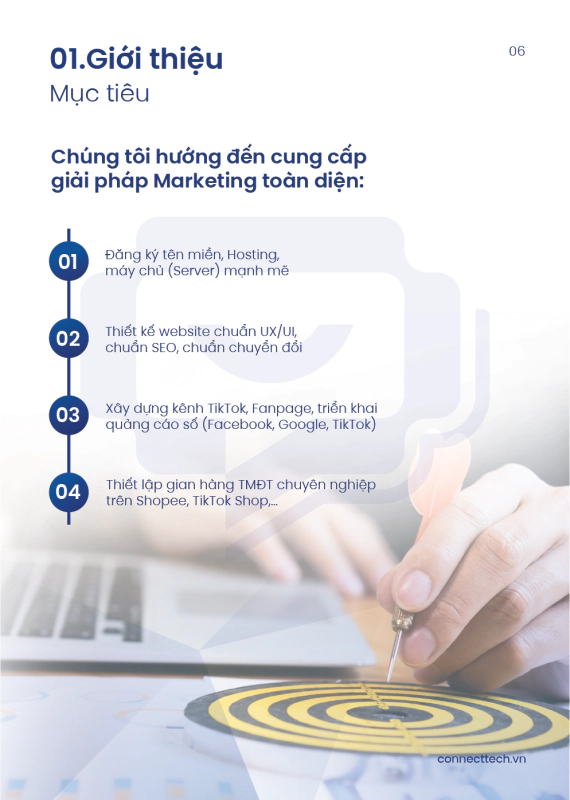
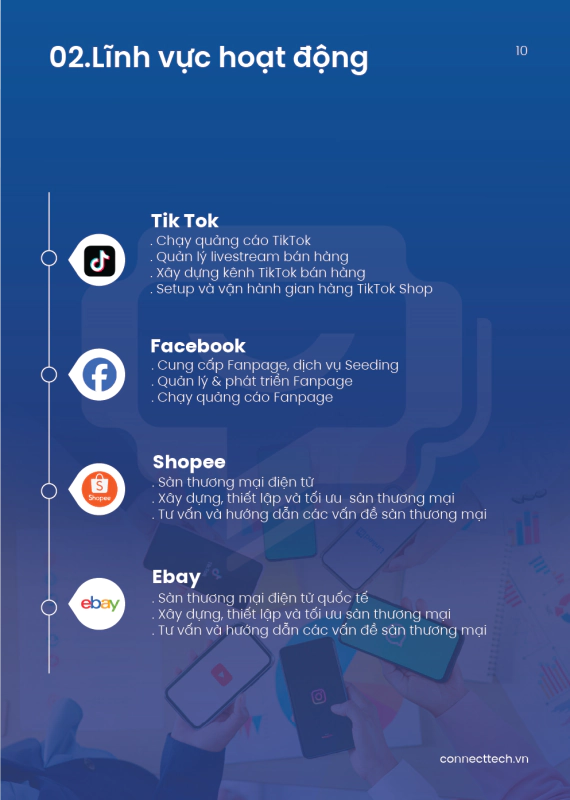
Restaurant website design gives your business a dedicated online space to showcase its menu, present its atmosphere and receive customer enquiries. Connect Tech offers packages ranging from VND 6–15 million, depending on the scope, for restaurant introductions, booking requests or online ordering. This article helps you compare solutions, explore a completed project and understand the development process before choosing a package.
Restaurant website design solutions for different business models
Each business model needs a suitable way to organise its information. Family restaurants often prioritise menus, prices and group seating, while event venues need to explain capacity, available spaces and accompanying services. Businesses in the F&B sector can use these differences to choose an appropriate scope of investment.
|
|
|
|
|
|
|
|
|
|
|
|
|
|
|
|
|
|
|
|
|
|
|
|
|
|
|
|
|
|
|
|
A new website needs to address current requirements and provide a clear path for expansion. If your restaurant currently takes orders by phone, you can start with a menu and contact buttons. As enquiries increase, you can add suitable forms or management features.
An existing website needs to be reviewed before you decide whether to improve or rebuild it. Connect Tech examines the design, content, administration area and existing URLs to identify what should be retained. This approach helps both parties preserve elements that still serve customers well.
Restaurant website design pricing at Connect Tech
The table below compares three packages by their intended use and included features.
|
|
|
|
|
|
|
|
|
|
|
|
|
|
|
|
|
|
|
|
|
|
|
|
|
|
|
|
|
|
|
|
|
|
|
|
|
|
|
|
|
|
|
|
|
|
|
|
|
|
|
|
|
|
|
|
|
|
|
|
|
|
|
|
|
|
|
|
|
|
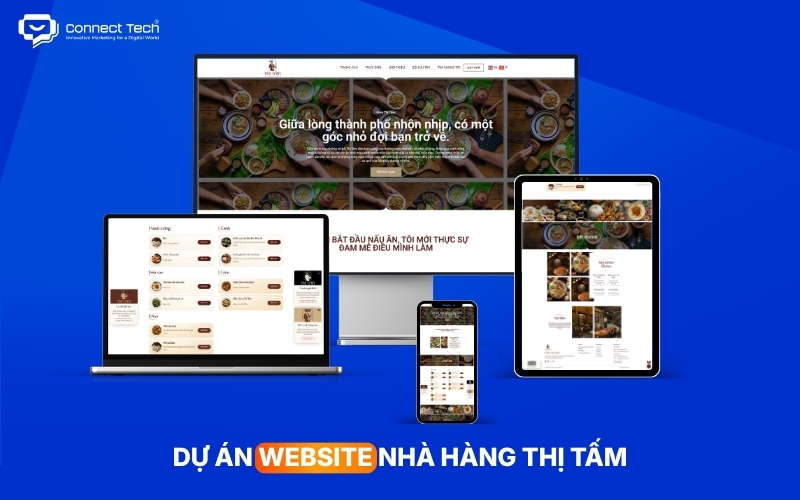
Thị Tấm restaurant website project by Connect Tech
Thị Tấm needed a website that reflected its traditional character and helped customers learn about the restaurant before visiting. The restaurant serves Vietnamese cuisine in a welcoming setting, so its design needed to convey that warmth through colours, images and layout.
The restaurant also needed a clearer way to receive enquiries. Families, groups of friends and corporate parties provide different information when planning a visit. The website needed to direct each group to the appropriate table booking or event enquiry form.
Thị Tấm’s website uses warm colours to express the restaurant’s identity. Photographs of the dishes and dining spaces help customers picture the experience, while the menu provides information to support their choices. The event enquiry feature helps the restaurant collect structured requests. Customers can provide guest numbers, menu preferences and relevant details so the responsible team can follow up.
Features to consider when designing a restaurant website
Restaurants should choose features based on the tasks they need to support and the staff available to handle incoming requests.
Restaurant introduction
The about page helps customers understand the restaurant’s style and distinguishing qualities. You can present your brand story, approach to service and the experience you aim to provide. Specific information helps customers decide whether the venue suits their occasion.
Online menu
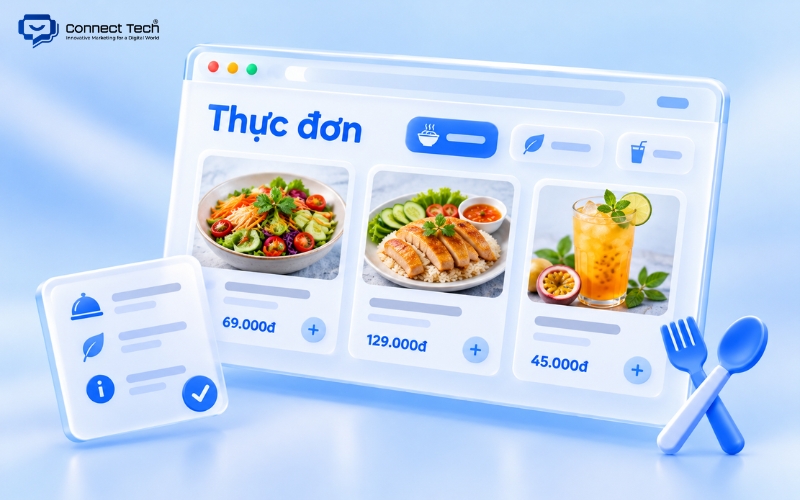
An online menu helps customers explore their options and prices before visiting. Restaurants should organise dishes into clear categories and add portion sizes, available options and applicable conditions where needed. The operations team should verify ingredient information, food sourcing details and relevant notices before publication.
Venue photo gallery
A photo gallery helps customers assess the dining space. Restaurants should provide overall views, private room photographs and images of areas suitable for larger groups. Photos that accurately reflect the venue help customers make more informed choices than generic decorative images.
Online table booking requests
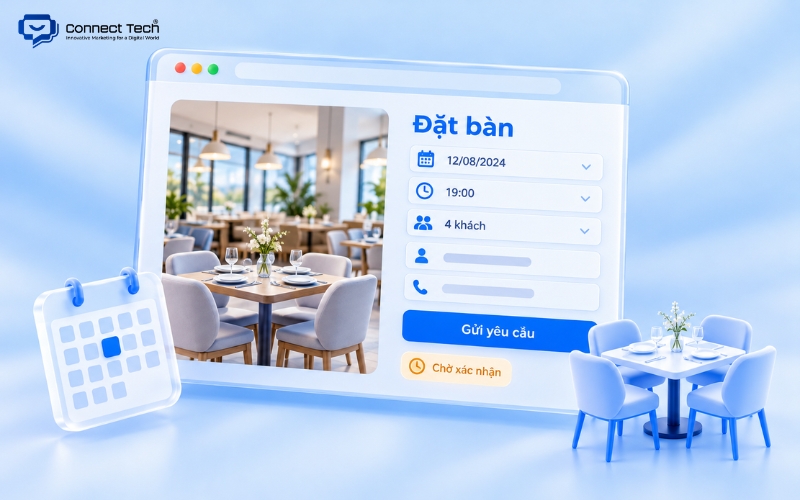
A table booking form lets customers submit their preferred date, time, party size and contact details. The website needs to state clearly whether the request is awaiting confirmation or has been accepted. Automatic confirmation should only be used when the system has suitable availability data and booking rules.
Event enquiries
An event enquiry form helps the restaurant collect the information needed to advise customers. Guests can provide a proposed date, party size, indicative budget and specific preferences. The responsible team can use these details to check availability and discuss suitable arrangements.
Online ordering
Online ordering lets customers select items, quantities and their preferred fulfilment method. The website should allow customers to review their request before submitting it. The restaurant also needs to agree who receives orders, how quickly staff respond and how unavailable items are handled.
Online payments
Online payments allow restaurants to collect payments or deposits when required. The system needs to record transaction status and provide guidance when errors occur. Both parties will agree on the payment gateway, service conditions and implementation scope before integration.
Location finder
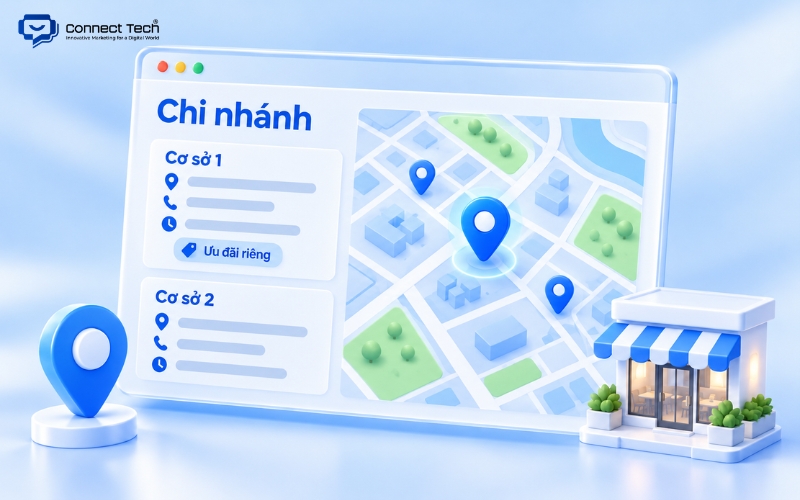
Location pages help customers find the right branch. Each location needs a clear address, phone number and opening hours. If prices or promotions vary, the restaurant should display the relevant conditions to avoid confusion.
Directions to the restaurant
A directions link lets customers open the restaurant’s location in a map application. Restaurants can add entrance instructions, nearby landmarks or parking information. These details are particularly useful for venues in side streets or larger complexes.
Quick contact options
Contact buttons let customers call or send a message when they need assistance. The website should prioritise channels that restaurant staff monitor regularly. Buttons need to be easy to select on mobile without covering the menu or forms.
Special offers
An offers page helps customers understand the promotion and its conditions. Restaurants need to state the validity period, participating locations and relevant restrictions. Administrators should update or remove promotions when they expire.
Sales system integration
Sales system integration enables data exchange where the existing software supports it. Connect Tech needs to check the API, access permissions and types of data to be synchronised. A link to another platform simply takes customers to a different page; synchronising orders and statuses requires a separate integration scope.
Connect Tech’s restaurant website design process
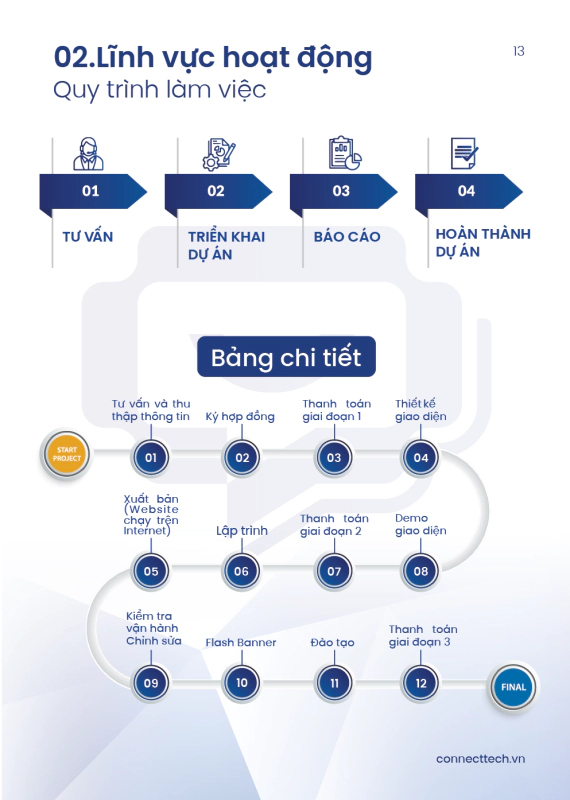
Connect Tech organises the restaurant website design process from initial research to handover so both parties can manage scope and quality.
Step 1: Understand the restaurant’s needs and operations
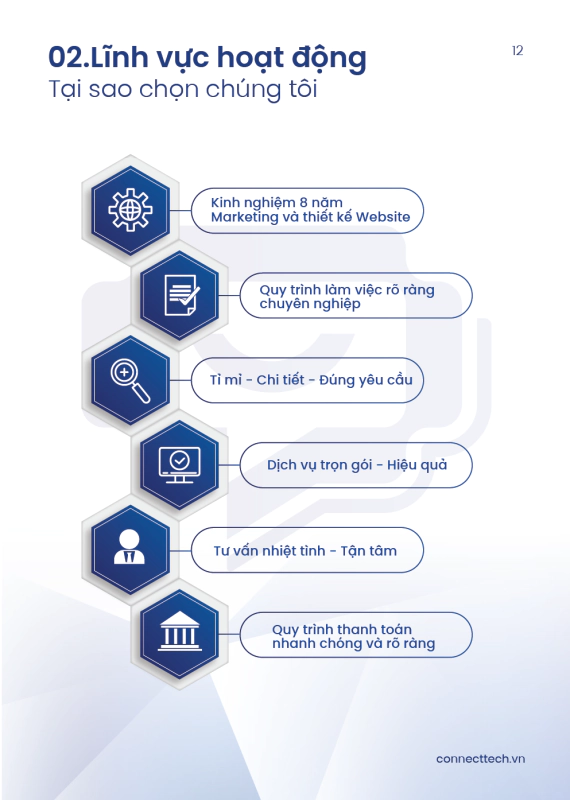
Connect Tech reviews the business objectives and the restaurant’s current process for handling customer enquiries. The restaurant provides information about its business model, customers, number of locations and existing challenges. These details help the team identify which tasks the website needs to support.
The domain name is selected based on the brand and how easily customers can recognise it. You may consider a name containing “food” or “restaurant” where appropriate, but neither word is required.

Step 2: Agree on the structure, features and quotation
Both parties agree on the page structure, features and budget before work begins. Connect Tech clarifies the design scope, content requirements and revision terms. The quotation should also specify the timeline, responsibilities for supplying information and ongoing costs.
Step 3: Design the website and prepare the content
The designer develops the website’s appearance based on the agreed brand direction. The restaurant approves the layout and supplies its logo, images, menu and policies. Complete content helps both parties reduce structural changes later in the project.
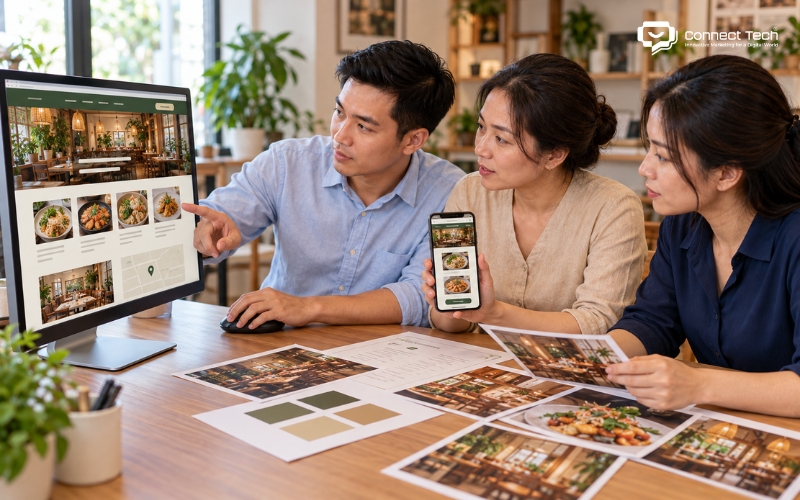
The design needs to support key tasks on mobile. The team considers how customers browse the menu, find a location and submit an enquiry. Colours, typography and images need to work together to keep information easy to read.
Step 4: Develop and configure the features
The development team builds the website and administration area according to the approved scope. Forms, notifications and transaction features follow the agreed workflows. URL structure, page titles and meta descriptions are prepared to support SEO activities.
Step 5: Test and approve the website
Connect Tech tests the website using practical scenarios. The restaurant and project team can review the following tasks:
- Staff check menu names, prices and information.
- Users submit table booking requests on mobile.
- The receiving team checks notifications and submitted details.
- Administrators test image replacements and content updates.
- Both parties compare the delivered features against the acceptance scope.
A rebuilt website also requires checks of existing data and URLs. The responsible team identifies pages to retain or redirect to reduce disruption during the transition.
Step 6: Hand over the website and provide training
Connect Tech hands over accounts, data and documentation according to the contract. The restaurant receives guidance on editing content, updating prices and handling enquiries. The responsible staff should practise these tasks during training so they can use the system afterwards.
Frequently asked questions about restaurant website design
The answers below clarify the scope before you choose a service.
Does a restaurant need a website if it already has Facebook and Google Maps?
A website can provide a more complete, organised source of information alongside existing channels. Facebook supports updates and interaction, while Google Maps helps customers find locations. A website is worth considering when you need a clearer way to present menus, dining spaces, policies and enquiry options.
What does the VND 6 million package include?
The Basic package includes a customised design and the introduction, menu and contact pages listed in the scope table. The restaurant receives call and Zalo buttons, a directions link and content update tools. Online ordering, payments and automatic availability checks require a separate scope.
Does the price include a domain name and hosting?
The formal quotation will specify whether the package includes a domain name and hosting. You should check the service period, suitable storage or resources, and renewal prices. These details help the restaurant plan its ongoing budget.
Are table booking requests confirmed immediately?
A standard form collects requests for staff to check and respond to. The website needs to display a clear pending-confirmation status. Automatic acceptance requires a system that checks availability against established rules.
Can staff update the menu and prices themselves?
Staff can update content supported by the administration area and their account permissions. Connect Tech provides guidance on the tasks included in the handover. The restaurant should assign someone to check that website information remains consistent with its actual service.
A suitable restaurant website design project needs to reflect the brand and support everyday tasks. You can start with the VND 6 million package and add features according to your needs. Connect Tech will discuss the structure, scope and costs before development begins. Share your business model, number of locations and existing website so the team can recommend a suitable approach.
You can contact Connect Tech on 0773 175 996 or email info@connecttech.vn for advice and a quotation

Table of Contents