Loading Table of Contents...
Custom Ecommerce Website Design for a Wide Range of Industries
Quick Summary
Collapse
Ecommerce website design tailored to your sales needs. Explore features, pricing, the development process, and how to choose the right solution.
Ecommerce website design helps businesses build an online sales channel, from showcasing products to receiving and managing orders. A suitable ecommerce website should make shopping convenient for customers while helping staff update products, process orders, and monitor business activity.
Connect Tech will guide you through available packages, essential features, completed projects, and handover details so you can choose the right solution.
What Kind of Online Store Does Your Business Need?
Ecommerce website design services address different needs, from receiving basic orders to connecting sales management systems. Use the examples below to identify a suitable starting point.
|
|
|
|
|
|
|
|
|
|
|
|
|
|
|
An online store should prioritize the tasks that currently cause difficulties for your business. If customers frequently ask about shipping costs before purchasing, the website should make those costs clear during checkout. If staff spend too much time re-entering orders, the business should consider connecting its software systems.
You only need to describe your products, how customers place orders, and how your staff currently process them. Connect Tech will use this information to discuss which features to launch first, which can be added later, and which requirements need further assessment.
Ecommerce Website Design Pricing at Connect Tech
Connect Tech offers three website design packages starting at VND 6,000,000, VND 10,000,000, and VND 15,000,000. These packages cover needs ranging from showcasing products to selling online with integrated payment options.
|
|
|
|
|
|
|
|
|
|
|
|
|
|
|
|
|
|
|
|
|
|
|
|
|
|
|
|
|
|
|
|
|
|
|
|
|
|
|
|
|
|
|
|
|
|
|
|
|
|
|
|
|
|
|
Online Store Projects Delivered by Connect Tech
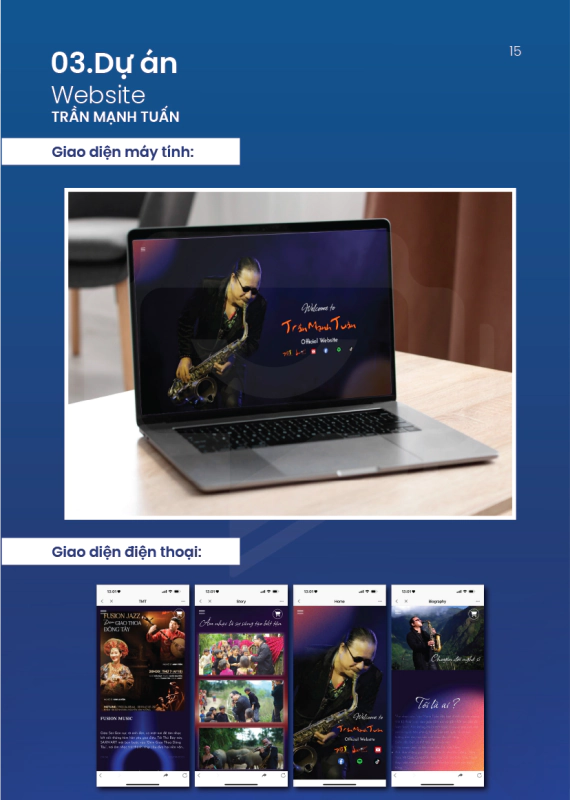
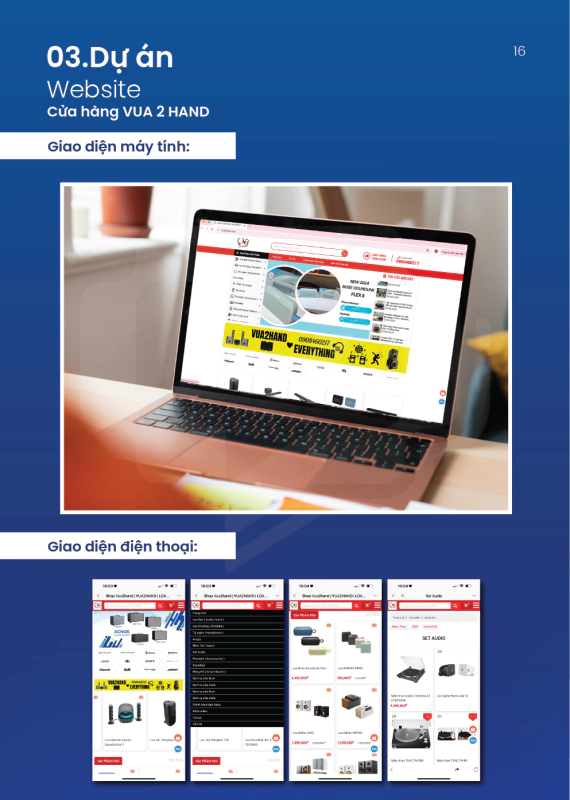
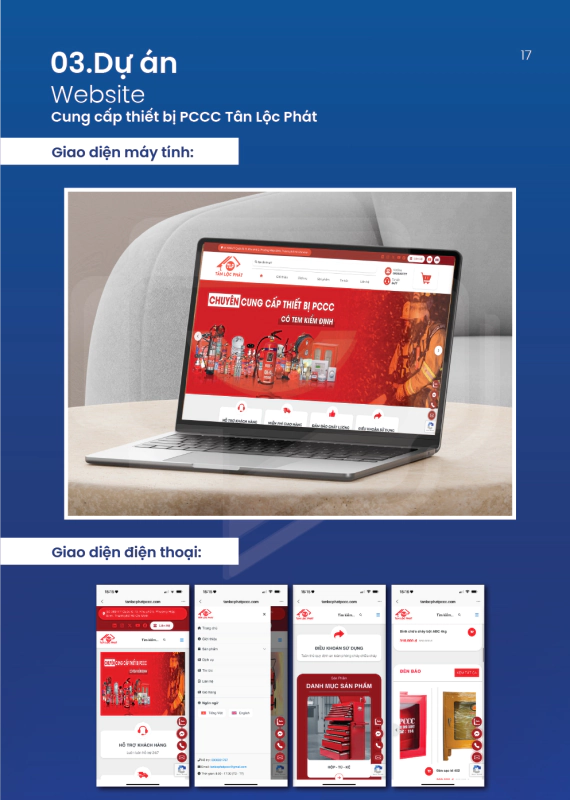
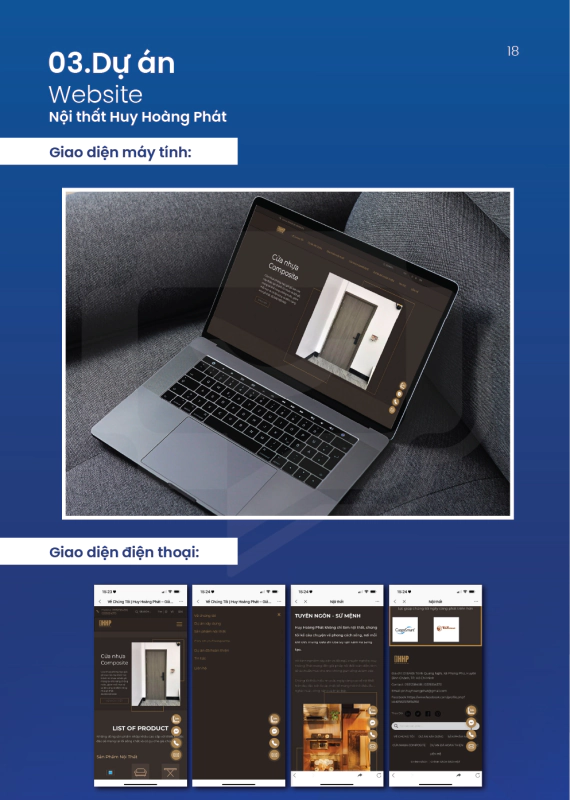
Connect Tech develops websites around product characteristics and how customers browse and purchase. The Salty Plum Store and Nice Fruits are two examples from the food and gift sectors.
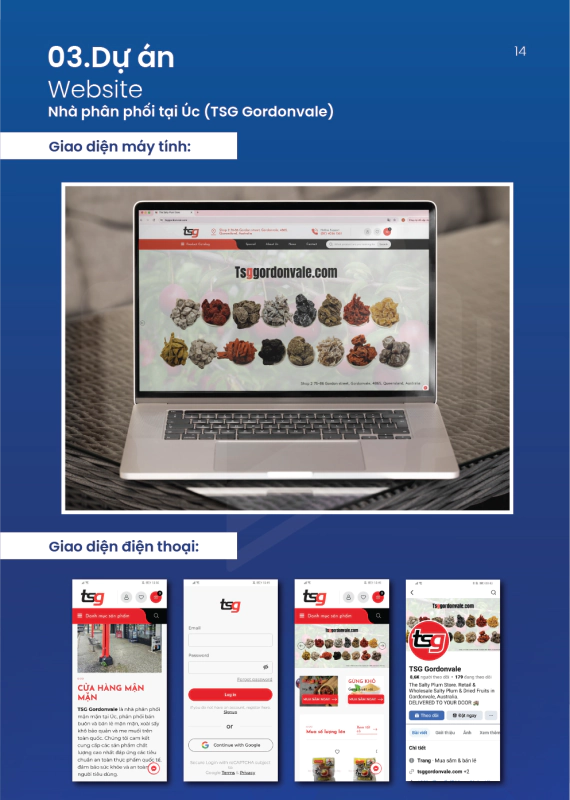
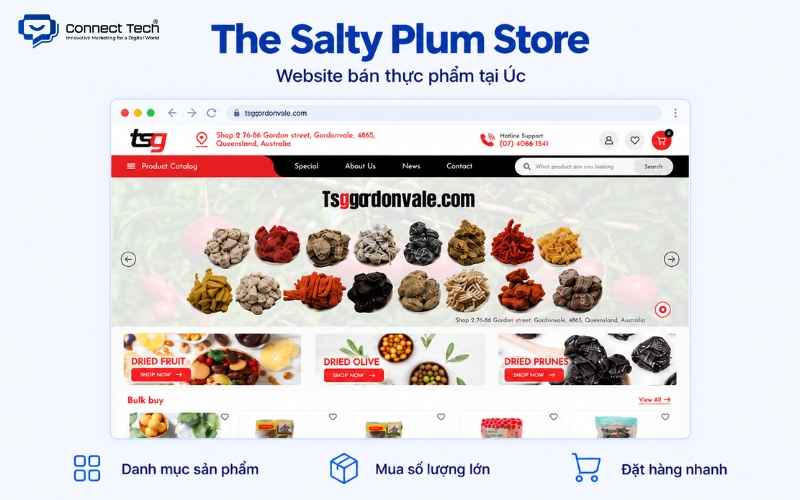
The Salty Plum Store — A Food Retail Website in Australia
The Salty Plum Store serves retail and bulk buyers of salted plums and dried fruit in Australia. The English-language website organizes products into categories such as dried mango, dried tamarind, dried ginger, and salted plums to make browsing easier.
Key website features include:
- Categories by product type: Help customers access the products they want.
- Pricing and packaging information: Allow customers to compare available options.
- Bulk Buy and Quick Order sections: Support bulk purchasing and quick ordering.
- New product and promotion sections: Help customers discover featured items.
This structure combines a product catalog with browsing options suited to different purchasing needs.
Nice Fruits — A Fruit and Occasion-Based Gift Website
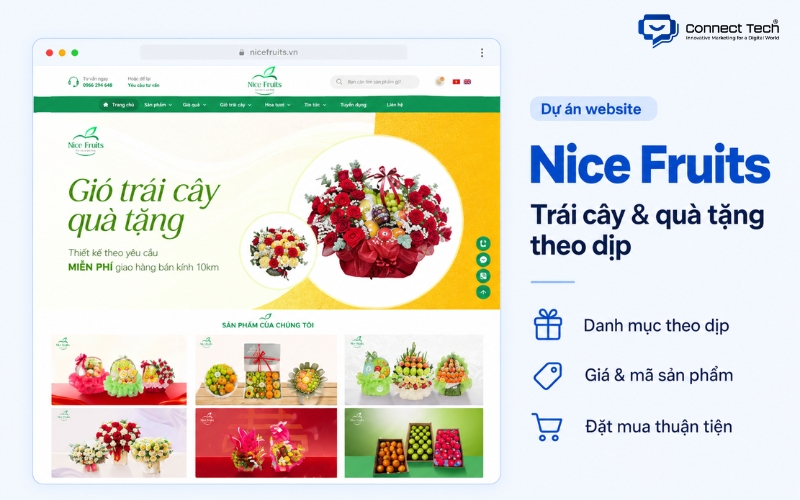
Nice Fruits showcases imported fruit, gift baskets, fruit boxes, and arrangements combining fruit with fresh flowers. The website groups products by both product type and occasion, helping customers find gifts for celebrations, grand openings, expressions of appreciation, and weddings.
Key website features include:
- Categories based on gifting needs: Let customers start browsing according to the occasion.
- Images alongside product names, codes, and prices: Help customers compare gift designs and budgets.
- A best-seller section: Offers additional options to consider.
- Search, Buy Now buttons, and contact information: Help customers move from browsing to ordering or requesting advice.
This approach suits the gift sector, where customers often consider presentation, price, and occasion together.
Features That Support Shopping and Business Management
The website’s features should support both shoppers and the staff who manage the store.
Product Categories, Search, Filters, and Variants
Clear categories help customers find the right products without browsing through too many pages. Product grouping should reflect the range you sell and how customers shop.
Filters should match the selection criteria of each industry. Fashion websites typically need size and color filters, while furniture websites may need material, dimensions, or price range filters.
Each product variant needs accurate information. The SKU, price, image, and stock level must match the customer’s selection to reduce ordering mistakes.

Shopping Cart, Ordering, and Payment
The shopping cart should clearly display products, quantities, and the total before customers place an order. Forms should request necessary information and provide specific error messages so customers can make corrections easily.
Payment methods should suit customers and meet the provider’s requirements. A business can start with cash on delivery (COD), bank transfers, or a payment gateway, depending on the project scope.
The system must distinguish order status from payment status. A newly created order does not necessarily mean payment has been received. Failed, canceled, or delayed payments need clear handling procedures.

Order, Product, and Inventory Management
The admin dashboard should help staff complete everyday tasks. Common activities include adding products, changing prices, checking orders, updating statuses, and monitoring available stock.
Access permissions should match each employee’s responsibilities. Content editors, order processing staff, and system administrators may need different levels of access.
The scope of inventory management must be agreed on from the start. A single store and a business with multiple warehouses may reserve stock, deduct inventory, and allocate orders differently.

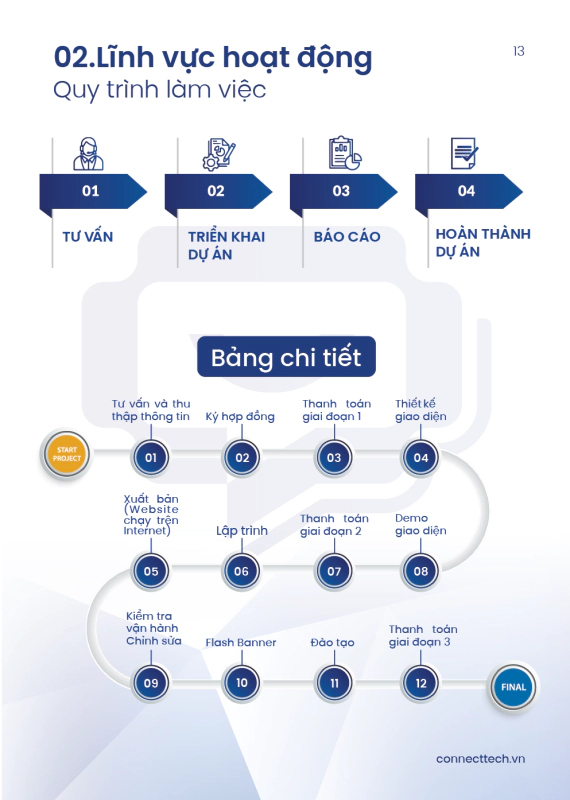
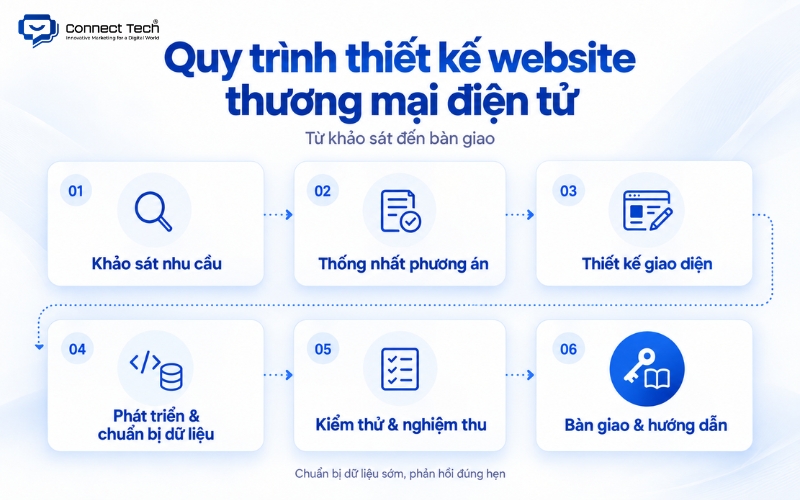
The Ecommerce Website Design Process: From Assessment to Handover
A clear process helps both parties manage scope, timelines, and the quality of deliverables.
- Requirements assessment: You provide information about your products, sales model, existing website, and systems that need to be connected.
- Solution agreement: Both parties confirm features, deliverables, costs, responsibilities, and milestones.
- Interface design: The implementation team prepares the layout and shopping flow for your review.
- Development and data preparation: The website is built according to the agreed scope while content, images, and product data are prepared.
- Testing and acceptance: Both parties check shopping, administration, payment, and the agreed integrations.
- Handover and training: The business receives access, documentation, and usage guidance according to the contract.
The timeline depends on customization, input data, and approval times. Prepare your product catalog, images, sales policies, and a designated contact early to help prevent delays.
What Does Your Business Receive at Handover?
The handover scope should enable your business to use, manage, and maintain the website as agreed.
Accounts, Data, and Management Rights
Your business needs to know who manages the domain, hosting, admin dashboard, and connected accounts. The list of access permissions should be confirmed at handover.
Source code rights, licenses, and data export capabilities depend on the chosen solution. The contract should specify what is handed over and any restrictions involving third-party software.
Operational Guidance and Acceptance Criteria
Admin training should focus on the tasks your staff will perform. Topics may include updating products, managing categories, processing orders, and assigning permissions within the implemented features.
Acceptance testing should cover both normal use and error scenarios. Try changing quantities, selecting variants, applying discounts, canceling payments, and checking order data to identify issues before launch.
Warranty, Maintenance, and Technical Support
The support policy should specify the types of issues covered, contact channels, and handling conditions. Requests to change the interface, add features, or modify integrations may fall under a separate scope.
Backup arrangements should include recovery procedures and clearly assigned responsibilities. Confirm the backup schedule, the data covered, and the support available if an incident occurs.
A suitable online store helps customers choose products and place orders conveniently while helping your business manage orders more effectively. If you need a new website or want to upgrade an existing one, Connect Tech is ready to discuss the features and budget that fit your needs.
Contact Connect Tech at 0773 175 996 or submit an inquiry to receive a proposed implementation plan and a detailed quote for your business

Table of Contents