Loading Table of Contents...
5 Warning Signs of a Website Agency You Should Avoid.
Quick Summary
Collapse
The website design market today is filled with agencies offering different pricing structures, styles, and service promises. However, not every agency has the expertise and capability to support a business in the long term. Choosing the wrong partner can result in more than just wasted budget—it can also lead to additional time spent on revisions, rebuilding systems, and missed business opportunities. In this article, Connect Tech shares five common warning signs to help businesses evaluate and choose a website agency more effectively and confidently.
Why Is It Important to Carefully Choose a Website Agency?
In reality, many businesses focus only on the initial cost without fully evaluating the implementation capabilities of a website agency. This often leads to websites that encounter technical issues after delivery, have slow loading speeds, inconsistent designs, or fail to effectively support marketing and sales activities.
A website is not only a brand’s face in the digital environment but also a tool for reaching customers, building credibility, and generating conversions. When a project is not implemented with the right direction from the beginning, businesses often have to spend additional costs on repairs or even rebuild the entire system.
Therefore, before signing a contract with any website agency, businesses should take the time to carefully evaluate the agency’s implementation capabilities, working process, and level of transparency.
Sign 1: Portfolio Lacks Authenticity or Is Difficult to Verify
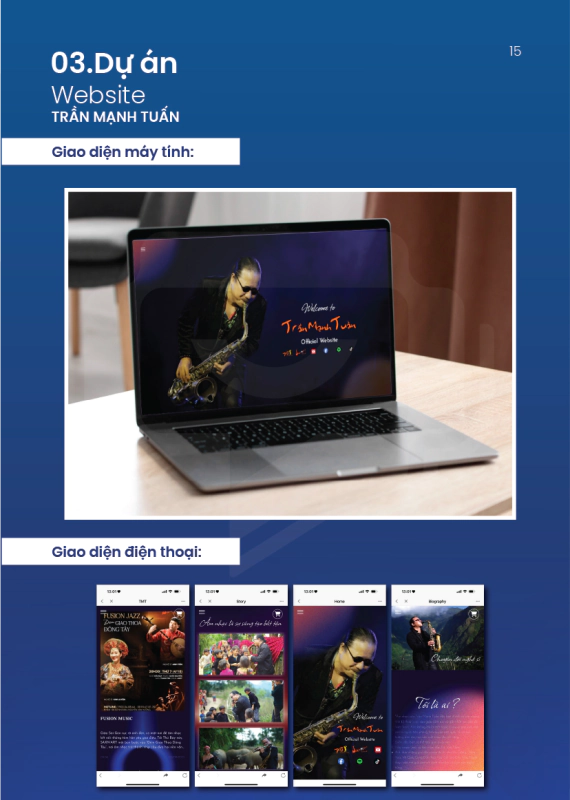
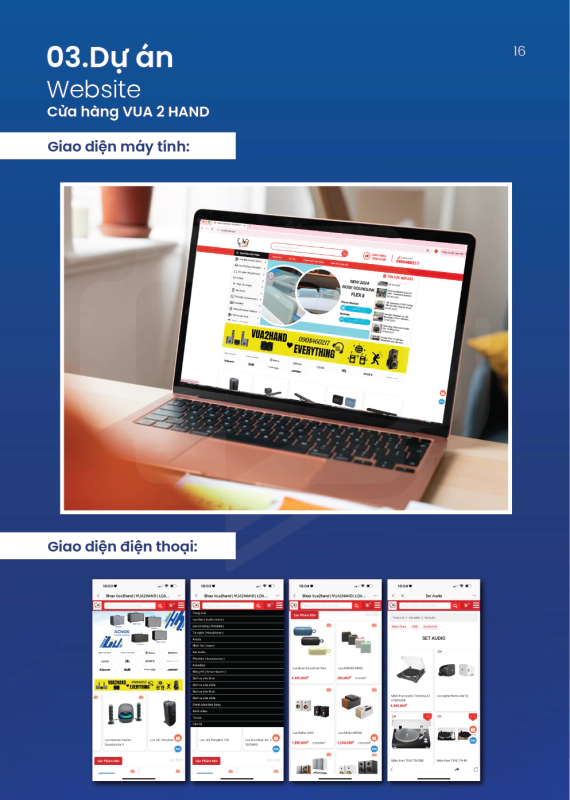
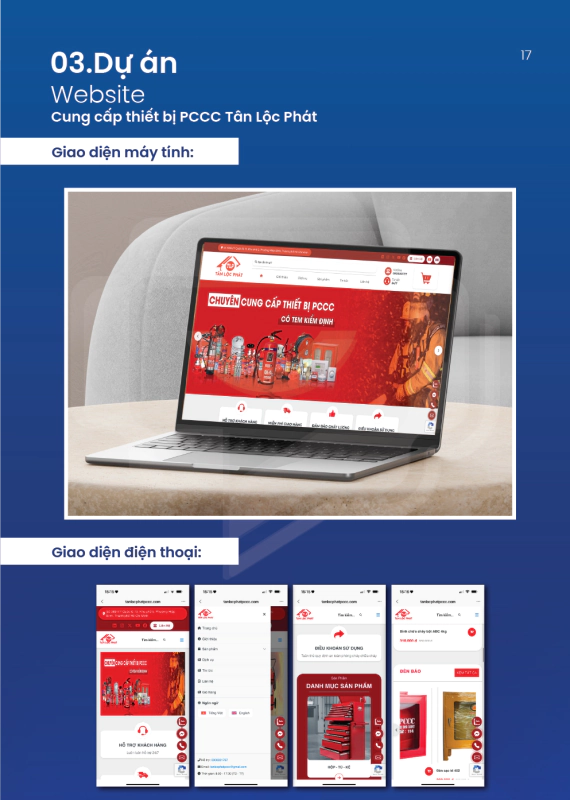
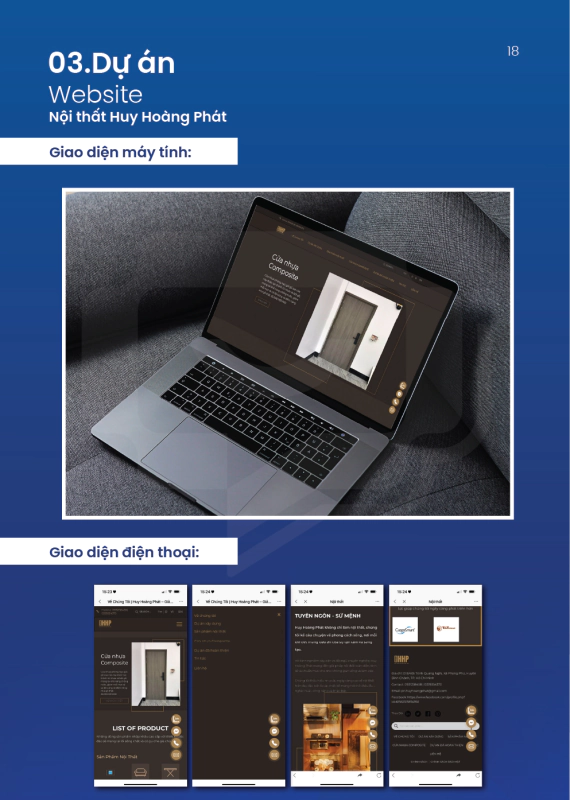
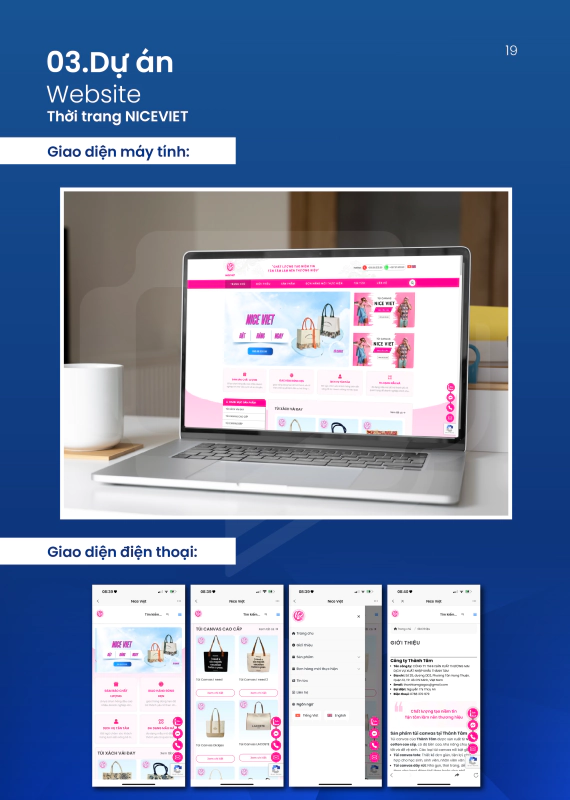
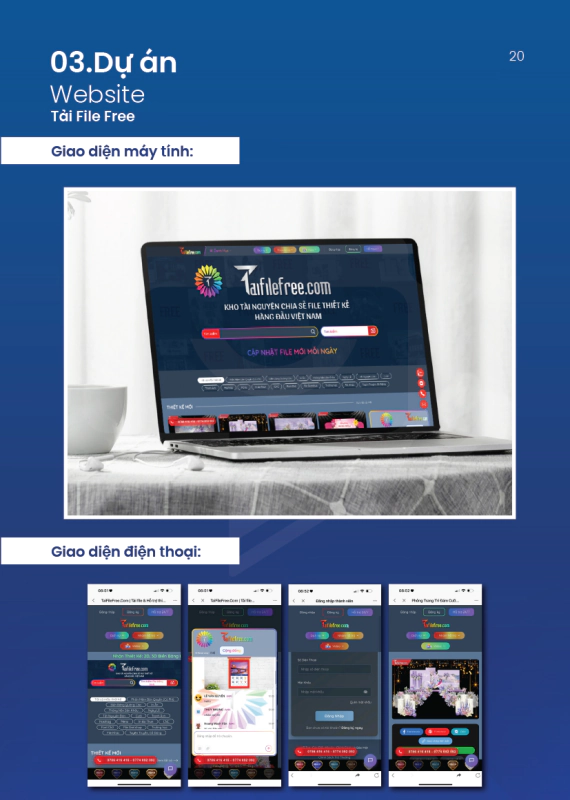
A portfolio is one of the clearest indicators of a website agency’s practical experience. A professional agency will usually provide completed projects in the form of live websites so that clients can easily review and verify them.
On the other hand, if the portfolio consists only of mockups, screenshots, or presentation files without any actual websites available for access, businesses should evaluate it more carefully.
When reviewing a portfolio, businesses should check several basic factors such as page loading speed, mobile responsiveness, content layout, and overall user experience. In addition, searching for the brands of previous clients can help verify whether those projects are genuinely being used.
For newly established agencies, having a limited number of projects is understandable. However, if an agency has been operating for many years but still has a sparse or difficult-to-verify portfolio, this may indicate that its implementation experience is not particularly strong.
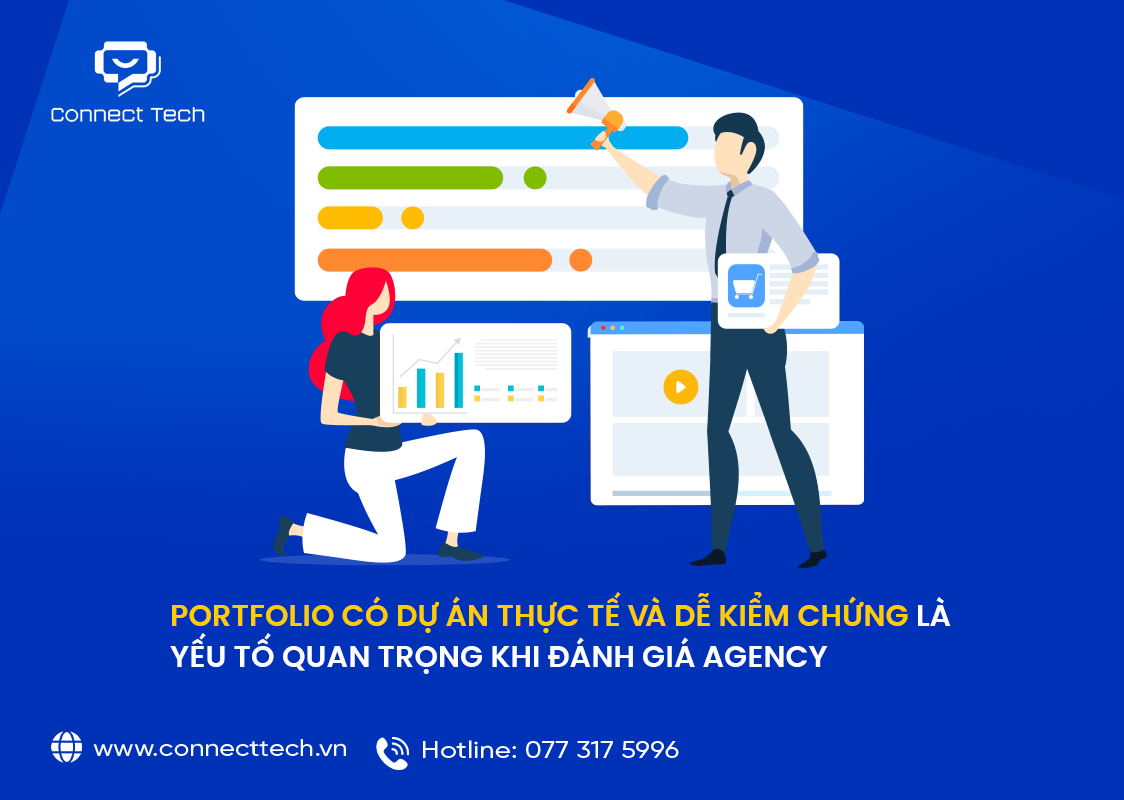
A portfolio with real and verifiable projects is an important factor when evaluating a website agency.
Sign 2: Unclear Pricing and Potential Hidden Costs
One of the most common issues when working with a website agency is a quotation that does not clearly define the scope of work. The initial cost may seem low, but additional expenses often arise during implementation, such as hosting fees, design revisions, feature additions, or post-launch technical support.
Therefore, before starting a project, businesses should request a detailed quotation that breaks down each specific item. The scope of work should be clearly stated in the contract, including the number of designed pages, revision process, implementation timeline, maintenance policy, and website management rights after handover.
Beyond pricing, the contract should also clearly define ownership of the website and source code. This allows businesses to have greater control over future operations and upgrades.
Sign 3: The Agency Does Not Take Time to Understand the Client’s Business
An effective website should be built around a company’s business objectives and customer behavior. For this reason, a professional website agency typically spends significant time learning about the client’s industry, products, target audience, and growth objectives before proposing a solution.
If an agency only has a brief discussion and immediately sends a quotation without learning about the business, it is likely providing a “template website” service rather than developing a solution tailored to the client’s needs.
During the consultation process, a reputable agency will often discuss conversion goals, user experience, content strategy, and marketing support after the website goes live. These are important factors that help a website deliver real business results rather than simply looking attractive.
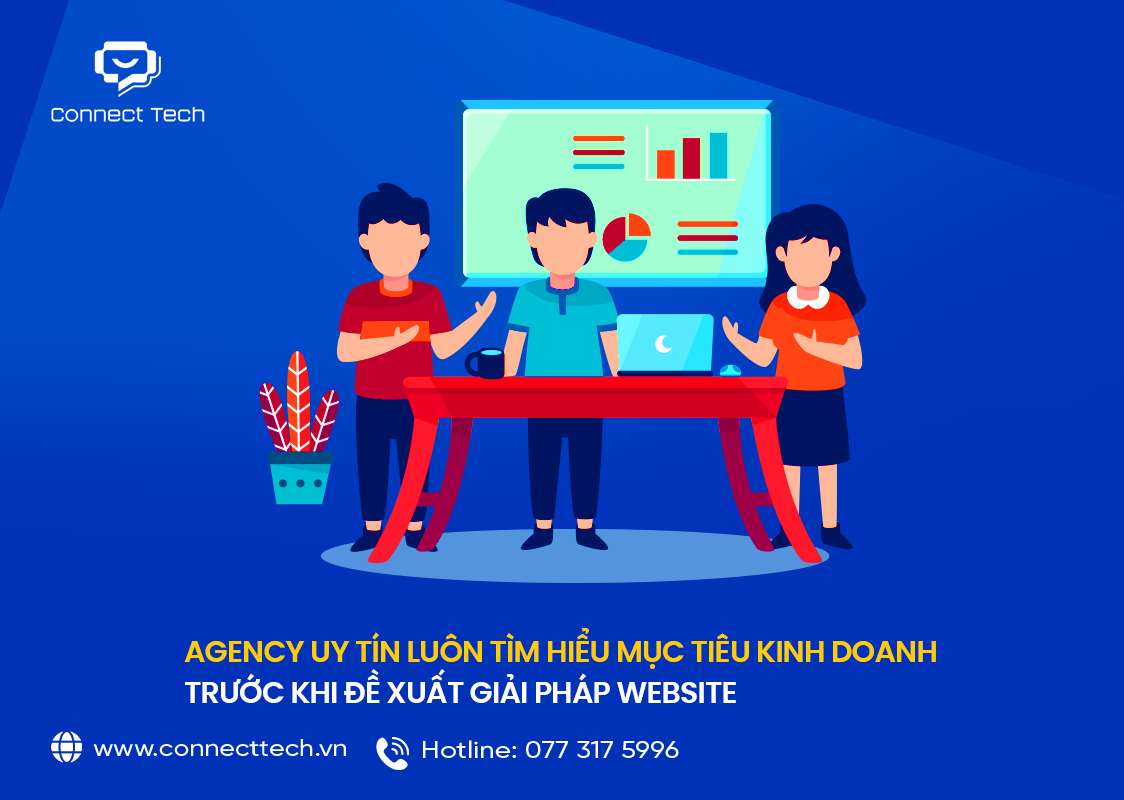
A reputable agency always takes the time to understand business objectives before proposing a website solution.
Sign 4: The Agency’s Own Website Appears Unprofessional
An agency’s website is the most direct example of its implementation capabilities. If the agency’s website has slow loading speeds, poor mobile optimization, or thin content, businesses should carefully consider whether to work with them.
A professional website agency does not necessarily need an overly complex design, but its website should meet basic standards such as a good user experience, clear structure, stable performance, and transparent information.
In addition, businesses can check basic SEO performance by searching for the agency’s brand name on Google. If the agency has not effectively optimized its own website, it may be difficult to ensure strong results for clients.
Sign 5: Unrealistic SEO Guarantees
Many businesses are attracted by promises such as “ranking at the top of Google in a short time” or “guaranteed #1 keyword rankings.” However, these claims are unrealistic unless supported by specific conditions and strategies.
SEO is a long-term process that depends on many factors, including content quality, industry competition, user experience, backlink profiles, and the technical optimization of the website.
A professional website agency will usually focus on building a strong SEO-friendly technical foundation, optimizing website speed, improving site structure, and supporting a content strategy aligned with the business’s growth objectives. These are more sustainable factors than ranking guarantees that lack a realistic basis.
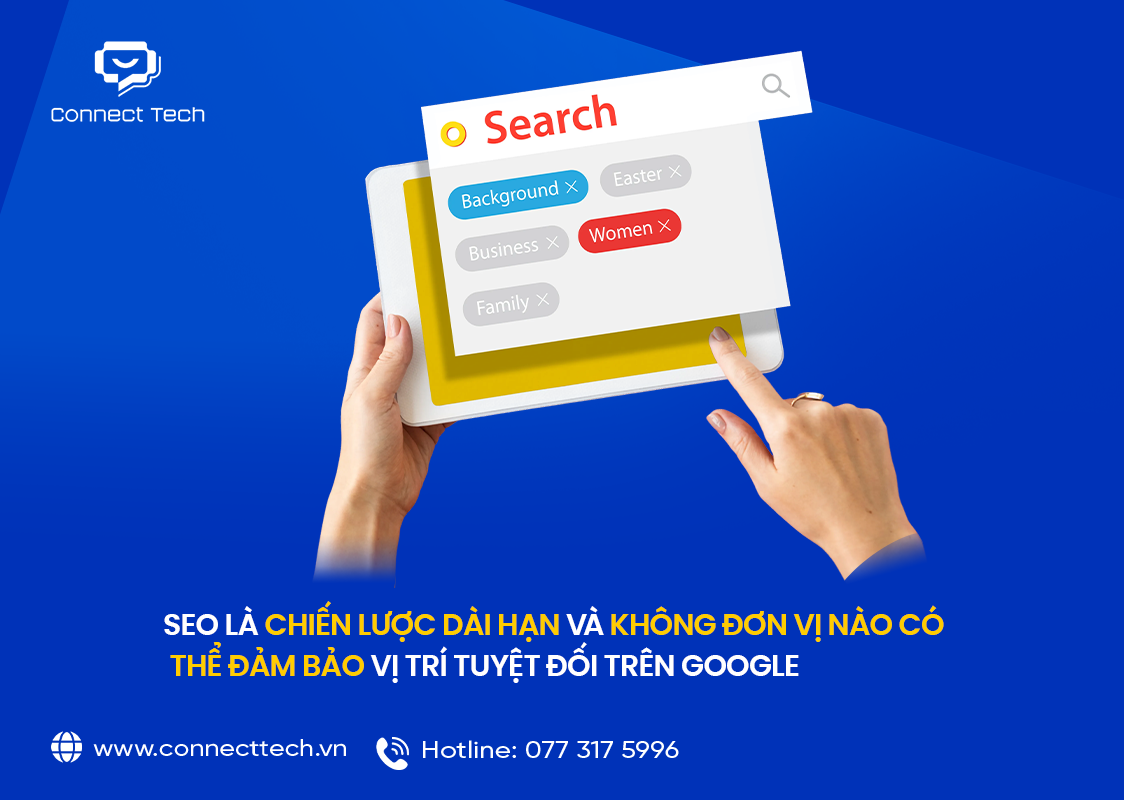
SEO is a long-term strategy, and no agency can guarantee an absolute position on Google.
How to Choose the Right Website Agency for Your Business
To select the right website partner, businesses should take the time to compare three to five different agencies before making a decision. Direct discussions can help evaluate each agency’s implementation approach, consulting ability, and understanding of the industry.
Beyond pricing, businesses should consider the agency’s working process, post-launch support policies, system scalability, and the quality of previously completed projects.
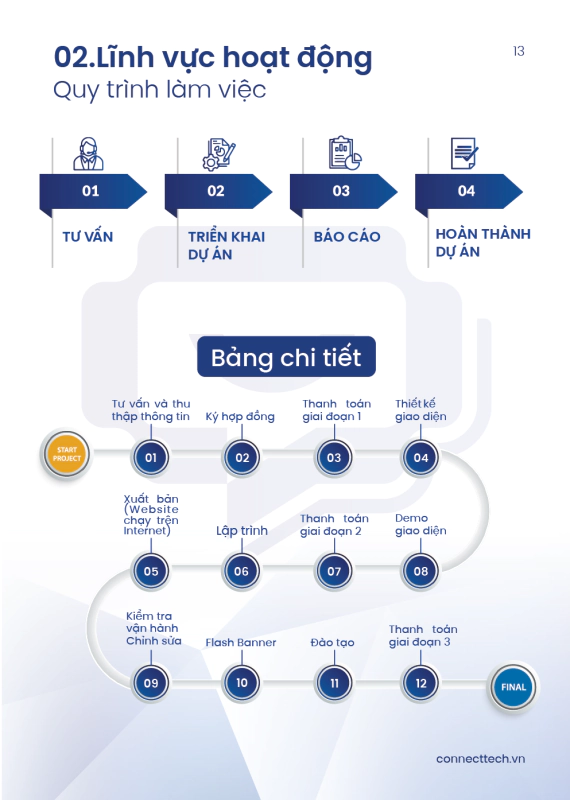
A professional proposal should clearly outline the scope of work, project timeline, costs for each phase, and technical support terms after the website is completed. This serves as an important foundation for effective collaboration and helps minimize unnecessary issues during implementation.

Choosing a website agency should be based on implementation capabilities and a clear working process.
Conclusion
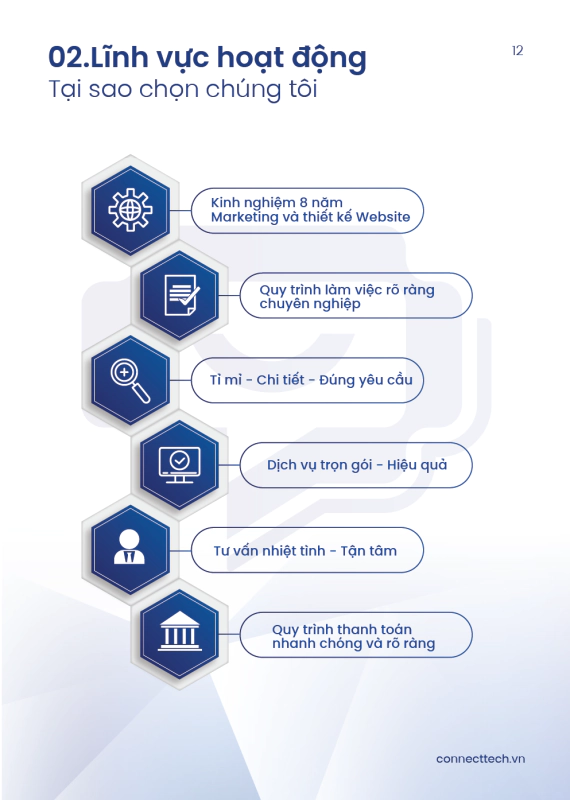
Choosing the right website agency is an important decision that directly impacts a company’s operational efficiency and brand development in the digital environment. A professional partner should not only deliver a complete website but also provide a clear process, a long-term partnership mindset, and consulting solutions aligned with the business’s objectives.
We hope the insights above provide businesses with a more practical perspective before selecting a website design agency. If you are looking for a website agency with a transparent process, tailored solutions, and a highly skilled implementation team, Connect Tech is ready to support your business at every stage of growth.
📞 Hotline: 077 317 5996
🌐 Email: info@connecttech.vn
Related Articles
Should You Implement SEO While Building a Website? A Detailed Guide
When Is It Time to Redesign Your Website? 5 Signs Your Website Needs an Upgrade

Table of Contents